Muscle Growth & Growth Hormone
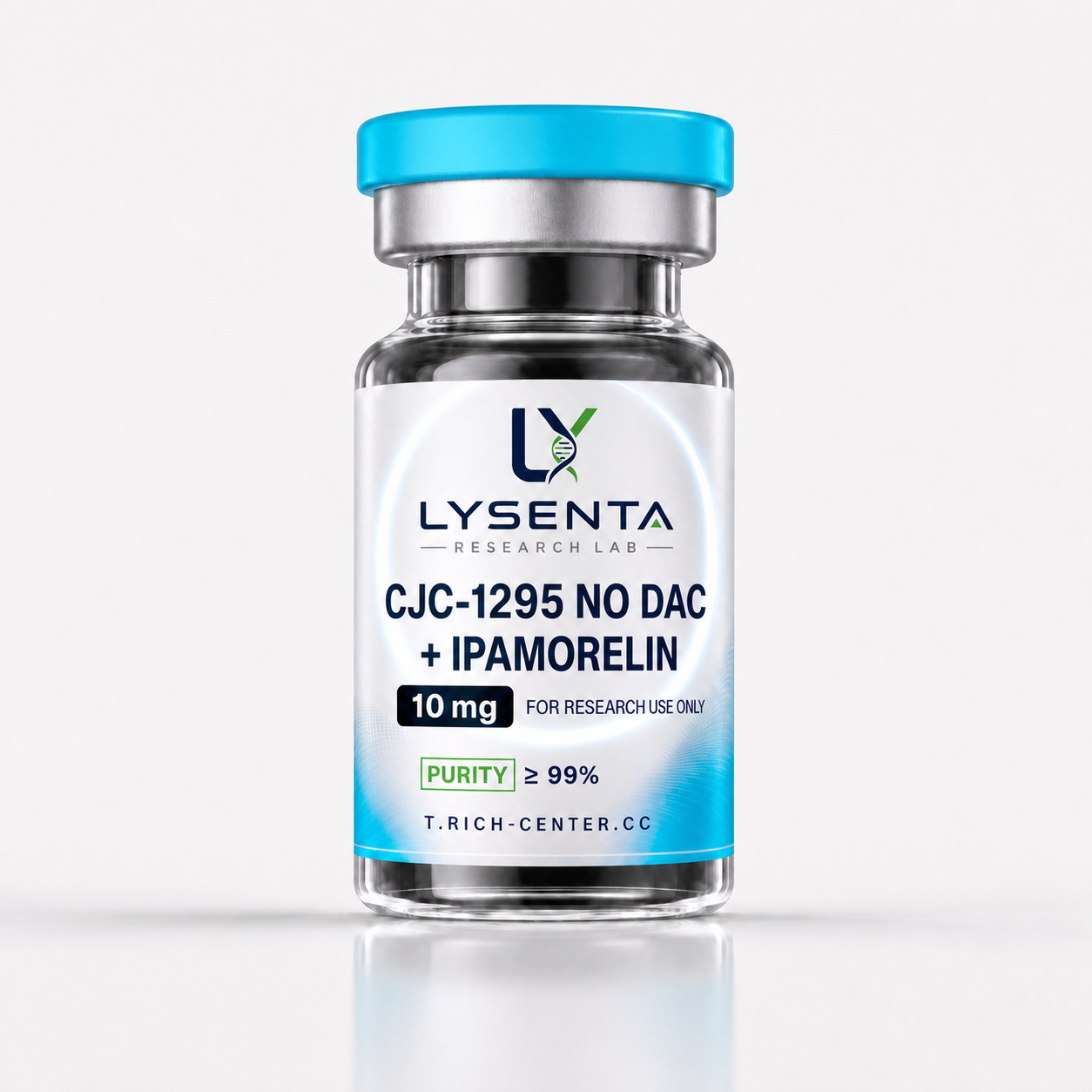
CJC-1295 without DAC + Ipamorelin
CJC-1295 (no DAC) + Ipamorelin blend: a GHRH analogue and a selective GHRP combined in a single vial for synergistic growth hormone research. 10 mg total, 99.0% pure.
Available

A blend combines two or more research peptides in a single lyophilised vial. They are reconstituted together, and the stated quantity is the total across all components. Every batch is lab-verified at ≥99% purity with a public Janoshik certificate. For laboratory and research purposes only.

Muscle Growth & Growth Hormone
CJC-1295 (no DAC) + Ipamorelin blend: a GHRH analogue and a selective GHRP combined in a single vial for synergistic growth hormone research. 10 mg total, 99.0% pure.
Available

Skin & Pigmentation
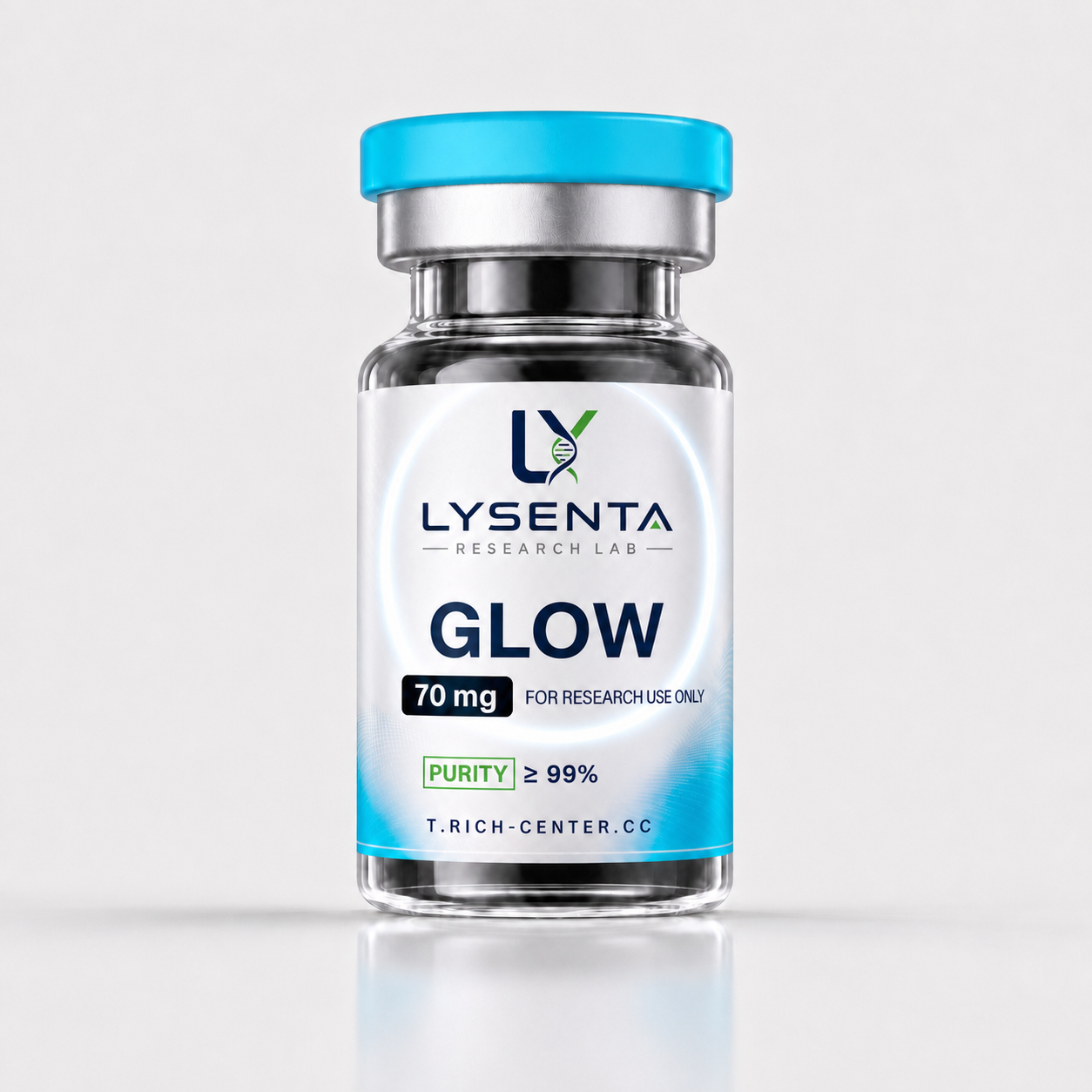
Glow is a multi-peptide blend studied for skin radiance, repair and cosmetic research. 70 mg in total, 99.0% pure, with CoA.
Available

Skin & Pigmentation
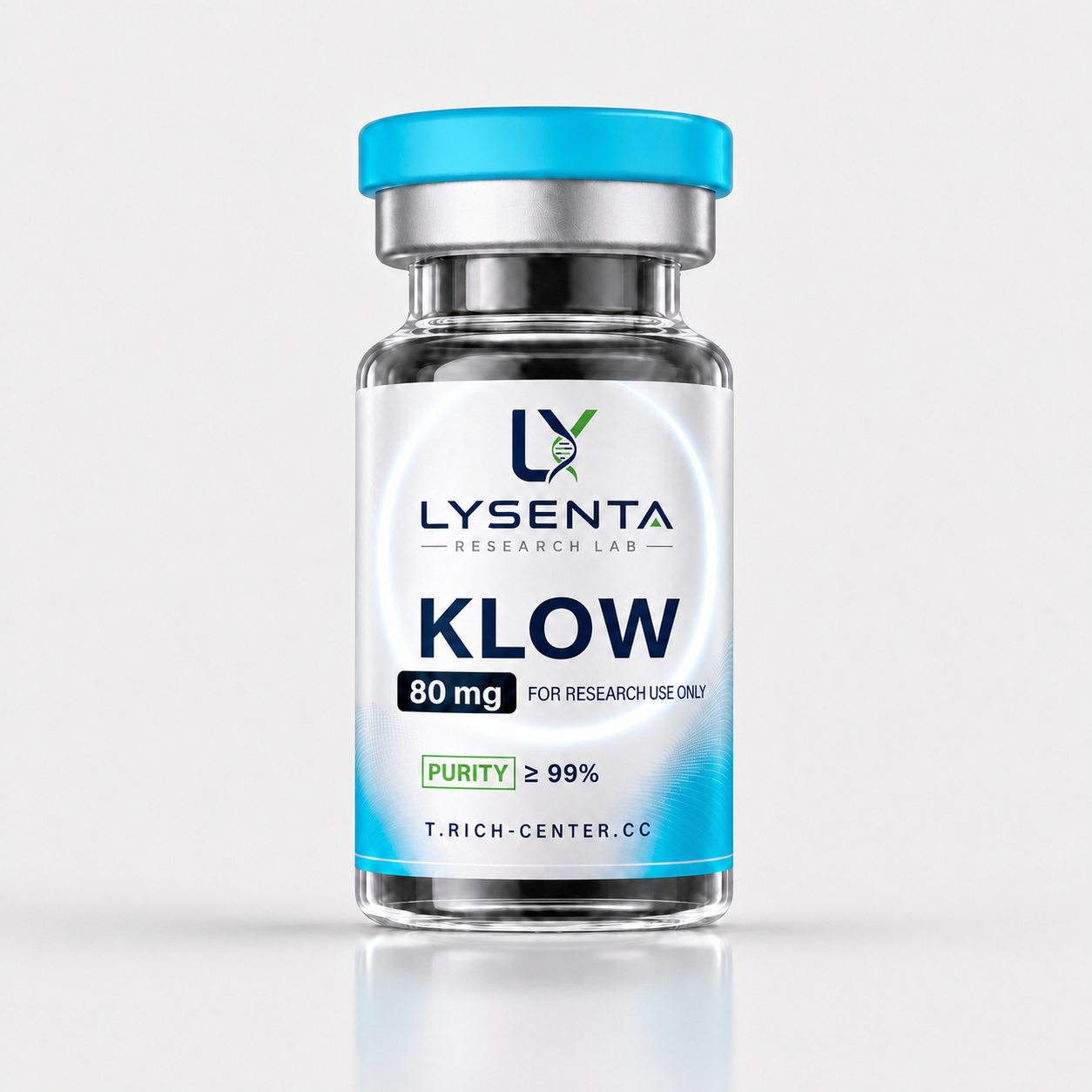
KLOW is a multi-peptide blend (including GHK-Cu, KPV and TB-500) studied for its effects on the skin, tissue repair and cosmetic research. Total: 80 mg, 99.0% pure.
Available

Recovery & Healing
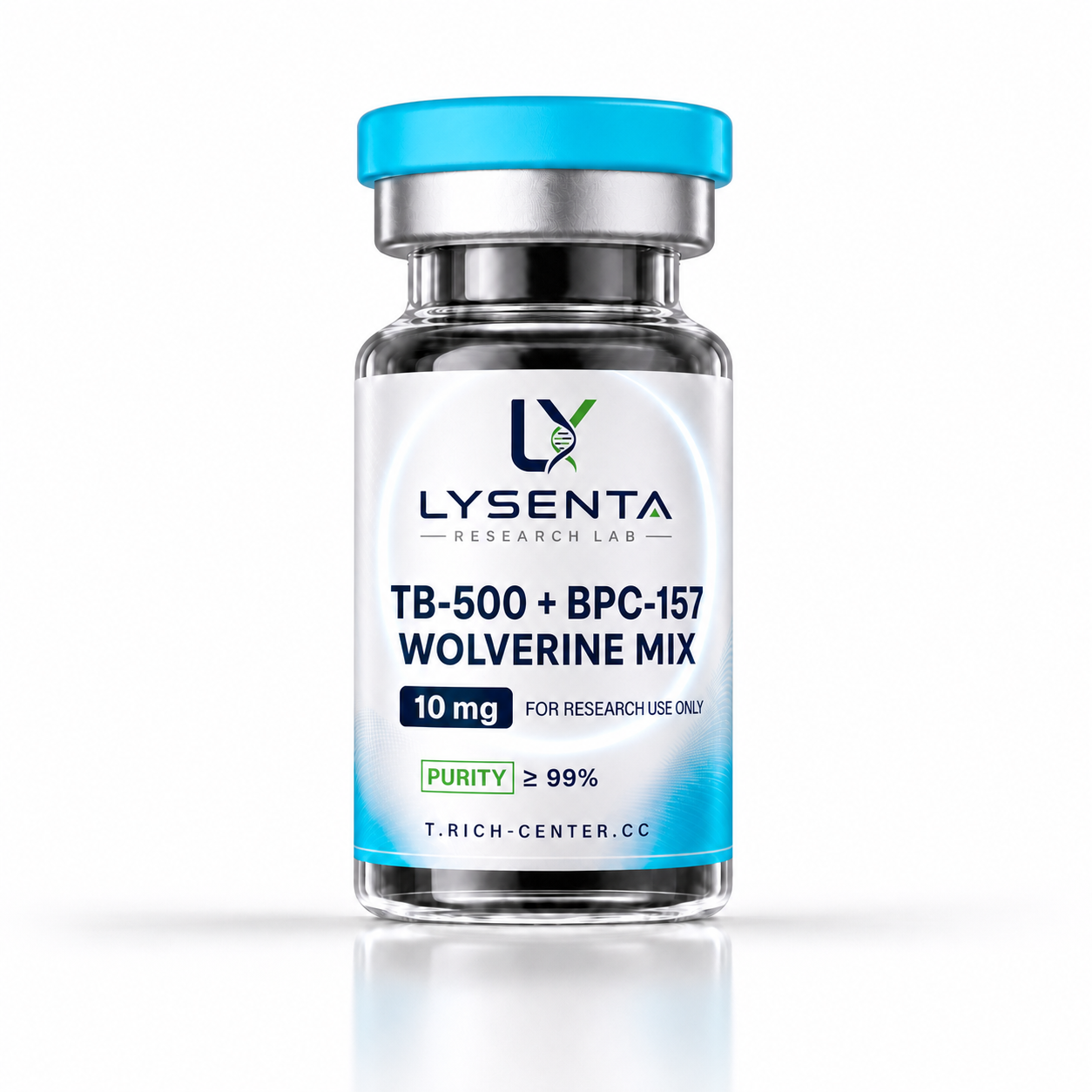
Wolverine blend: BPC-157 + TB-500 in a single vial, combined for synergistic recovery, tendon and tissue support. 10 mg total, 99.0% pure.
Available
A blend is one vial holding several peptides, which end up in a single solution once bacteriostatic water is added. That is practical when a combination is studied as a whole rather than each peptide separately.
Mind the arithmetic: with a blend the stated quantity is the total across all components, not per component. That makes a price-per-mg comparison work differently than with a single peptide. Work out your ratio with the reconstitution calculator.
The best-known combination in recovery research is the TB-500 + BPC-157 Wolverine mix; within growth hormone research it is CJC-1295 no DAC + Ipamorelin. For skin research there are the broader KLOW and Glow mixes.
Why combine? Because the components have different points of action. Read the background in combining BPC-157 and TB-500, or compare them directly in BPC-157 vs TB-500.
With a blend the stated quantity is the total across all components together, not per component. The exact split is on the product page and on the batch certificate.
Because the components have different points of action, which makes the combination as a whole a recurring subject in the literature. A blend makes that practical: one vial, one reconstitution.